

I’ve never really been great at ball sports because of my coordination disorder, which makes it hard for me to react to fast movements quickly. I was never able to catch balls quickly and my aim was always quite bad given that my hand-eye coordination is all sorts of messed up.
Roguelikes are a similar challenge to me, yet I find myself drawn to them. They’re challenging and the input-lag between my brain and my hands adds further difficulty… yet, I love it when games feel fair and when I can earnestly hone my skills by trial and error and try to figure out the best way to approach these games.
I figured I’d lead with this because accessibility is incredibly important in games. There are people out there that struggle a lot more with games than I do… and a lot of people won’t actually be able to enjoy all the games that I recommend since I’m a huge fan of Roguelikes and challenging titles.
That being said, today I wanted to write about Revita, a fast-paced 2D-Roguelike-Shooter that incorporates a lot of Bullet Hell elements into its core gameplay loop that makes it, theoretically, a nightmare for me to play… but it doesn’t… and here’s why.
Developer: BenStar
Publisher: Dear Villagers, Doyoyo Games
Genres: Indie, 2D, Action Roguelite, Twin-Stick Shooter, Platformer, Bullet Hell
Release Date: April 21st, 2022
Reviewed on: PC
Available on: PC, Switch
Copy was purchased.
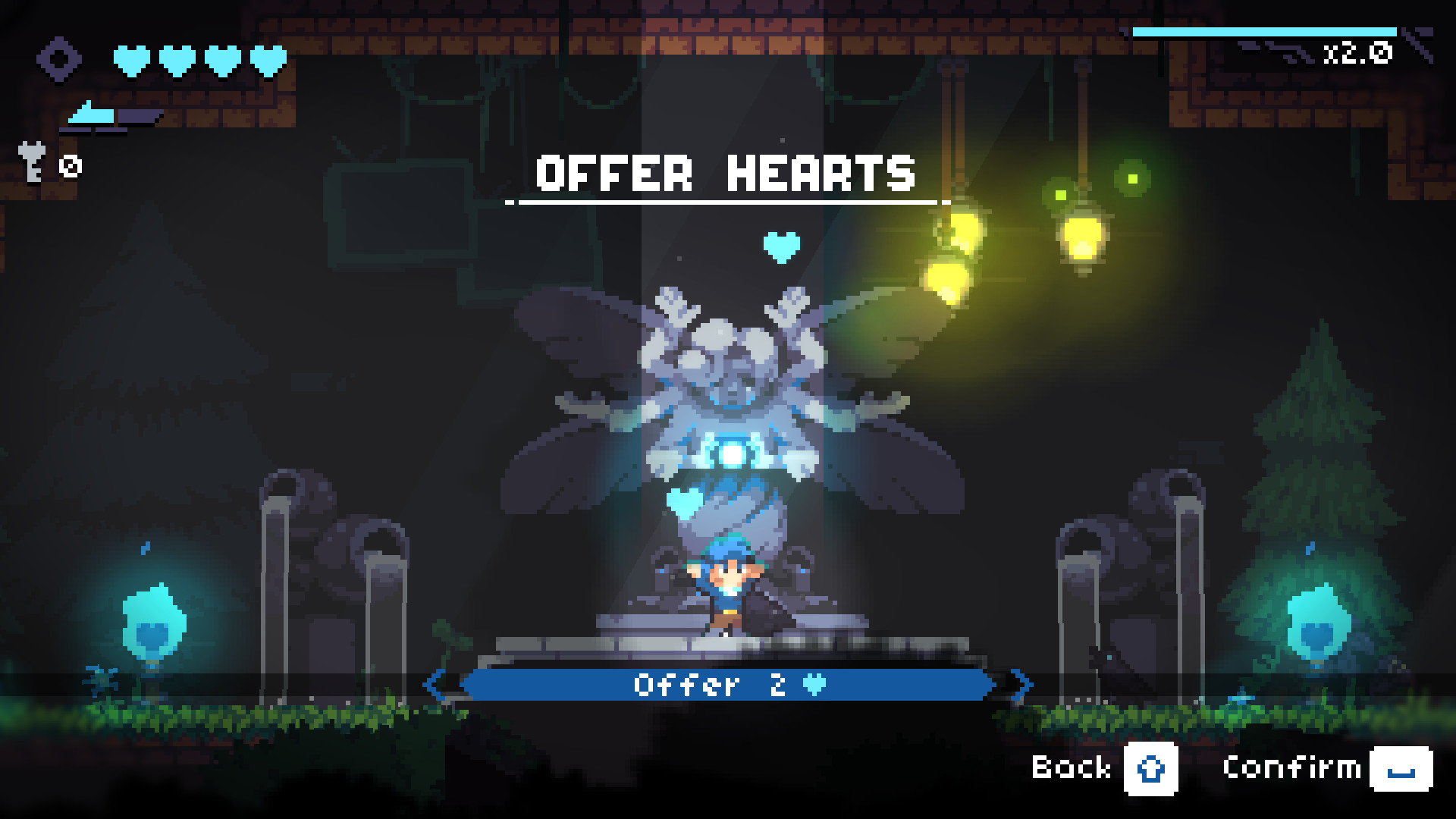
Revita puts you into the shoes of a young non-binary kid that lost their memories and is trying to reclaim them by climbing a mysterious tower and surviving rooms of masked enemies. It’s a game about loss and grief, mental health topics, as well as suicide but the game warns you on start-up which is quite nice.
The unique and gimmick that Revita aims for is the fact that Health is a Resource. Resource management in Roguelikes is sort of a bread and butter but Revita doesn’t have you looking for coins and bombs like other games.
Instead, the game has you trade the hitpoints protecting you from restarting the run for items that can make you powerful enough to deal with enemies before they deal with you. This creates a dynamic where you both want to be daring to quickly collect the souls dropped by enemies to rebuild and possibly increase your HP, but you also want to be on the safer side and not get hit for obvious reasons.
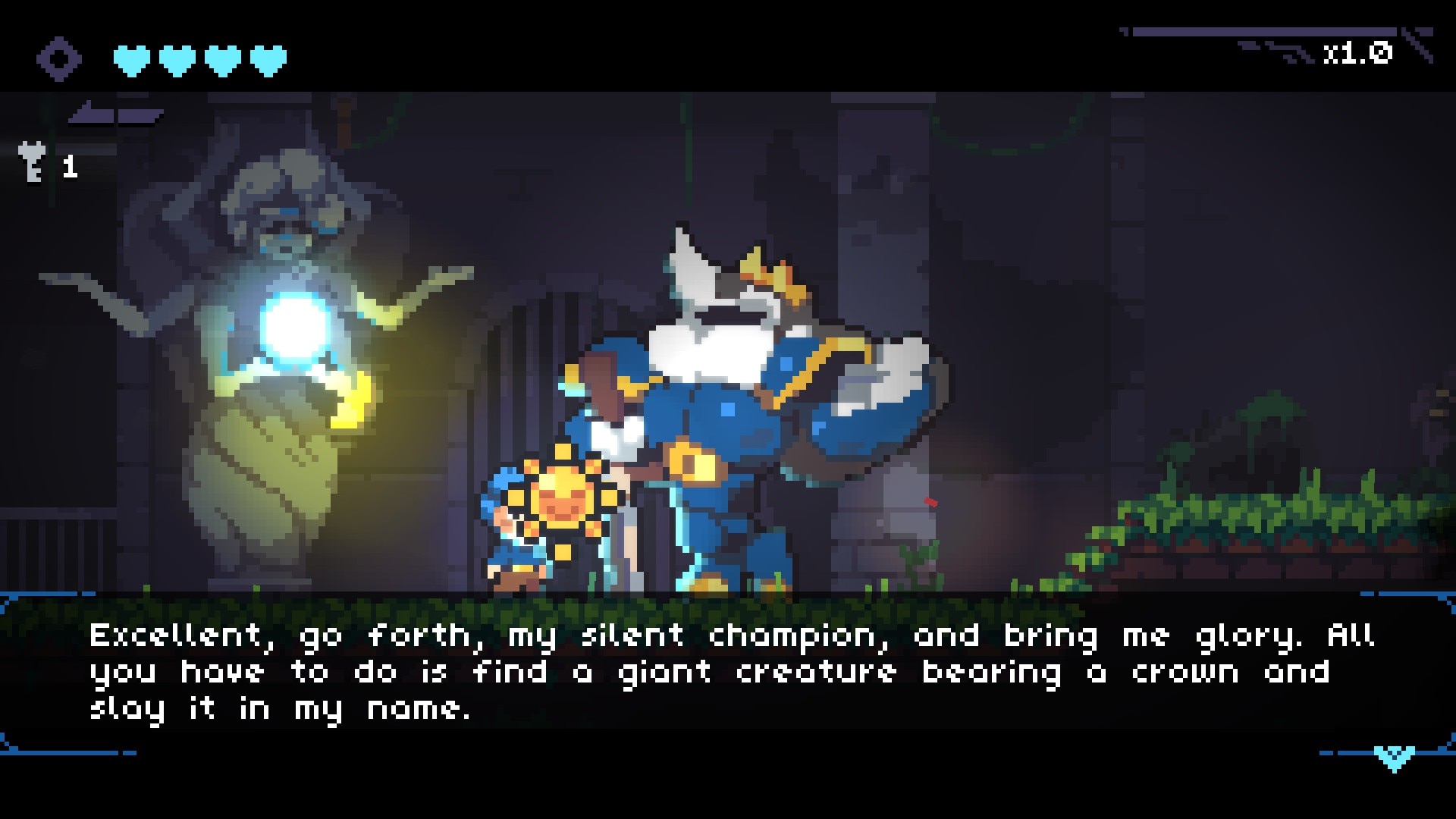
I like this a lot. Frankly, it’s an incredibly unique gimmick, mostly because Health is always a resource in roguelikes – but not in the literal sense unless you can buff yourself up with certain items when you’re low on health or unless you pay a blood price for powerful buffs, like in Isaac.
That being said, the many bullets, traps, different enemy types, and the bosses that the game throws at you can be rather challenging. Revita is a difficult game. It’s intended to be difficult.
If you at any point struggle with certain elements, Revita allows you to change the game’s speed to half or double speed, giving you more time to react. If you want to, you can add varying degrees of auto-aim, rebind keys, disable distracting elements, enable a high-contrast outline around you and/or enemies, and you can even change the control-scheme to a “1-stick” configuration which essentially makes it possible to play the game one-handedly.
I was honestly quite impressed with the degrees of accessibility options but I disliked how a lot of them are split off into different setting menues. There is a dedicated Accessibility settings menu but there are some settings in the gameplay and the video section of the game, too, which I’d rather have in the dedicated section.
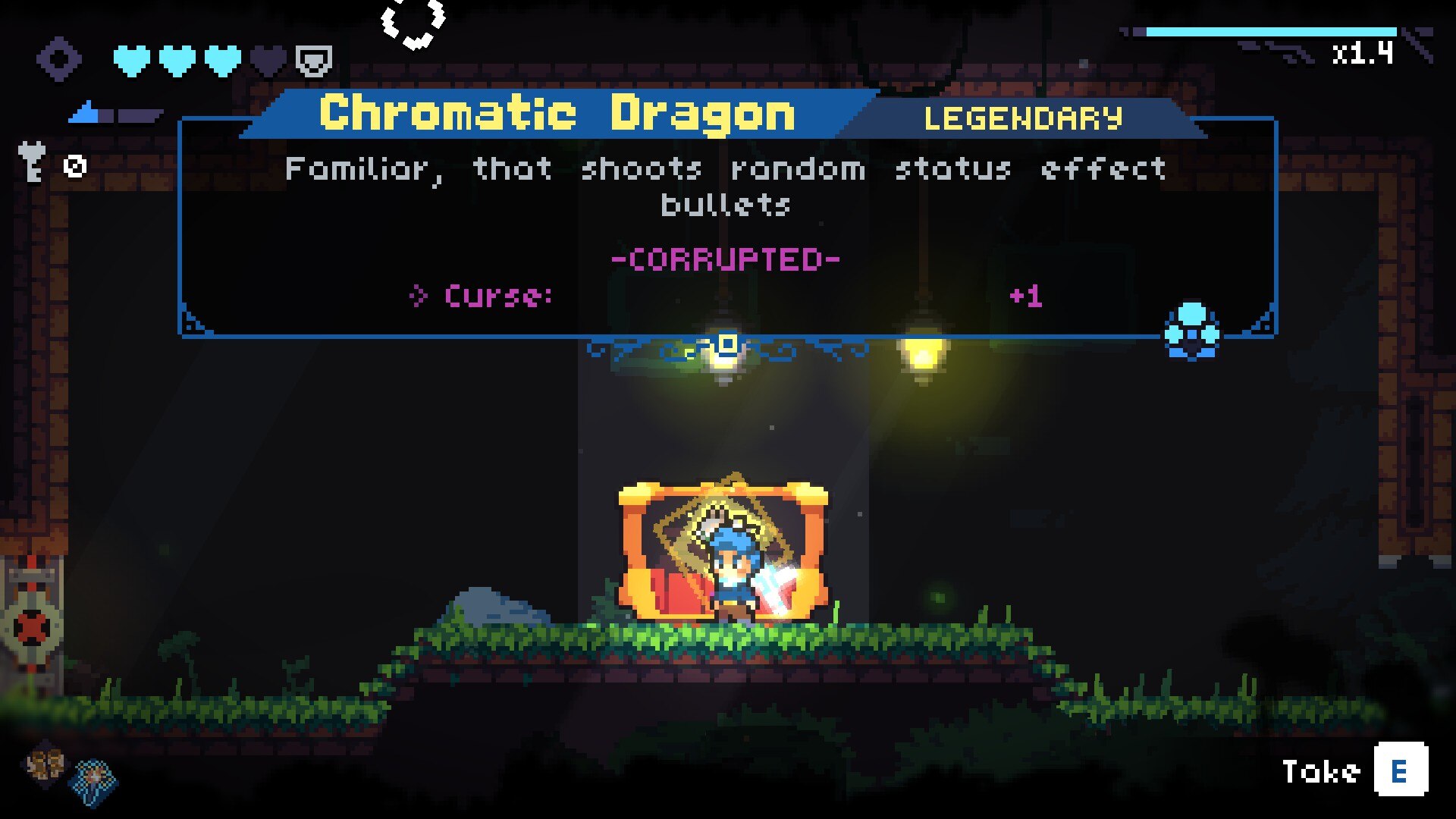
With this in mind, the game does a lot of things better than most titles and it doesn’t even disable achievements if you do end up relying on these options which is something I personally applaud a lot.
Apart from the accessibility settings being great, one just has to talk about the beautiful art, the quirky characters and the amazing soundtrack. The soundtrack in particular ranges from melancholic piano tracks to invigorating synth melodies. There are many, many, many great tracks on it – and I dare say that I’d expect nothing less in terms of quality from Christoph Jakob.
Furthermore, I just love the different items you find and while it’s somewhat annoying that a lot of the more in-depth mechanics have to be unlocked one at a time using blueprints and materials, I do get why Benstar decided to go for this specific design choice given that having all the different stations and shops in the main hub area would probably be somewhat overwhelming at first.
Honestly, I love Revita. It’s a well-done take on the fast-paced Roguelike-Shooter formula with dungeons, secrets, and many different items and synergies. My only gripes are that one thing about the accessibility options being in different places and the fact that you need to unlock a lot of the cool items as time goes on utilizing resources instead of just doing specific things that then enable you to unlock them.
I much prefer the way that The Binding of Isaac handles unlocks with you doing specific things, tied to achievements and challenges. Revita’s approach of having you unlock specific items using resources after finding prison keys is cool and all… but it can feel a bit grindy at times.
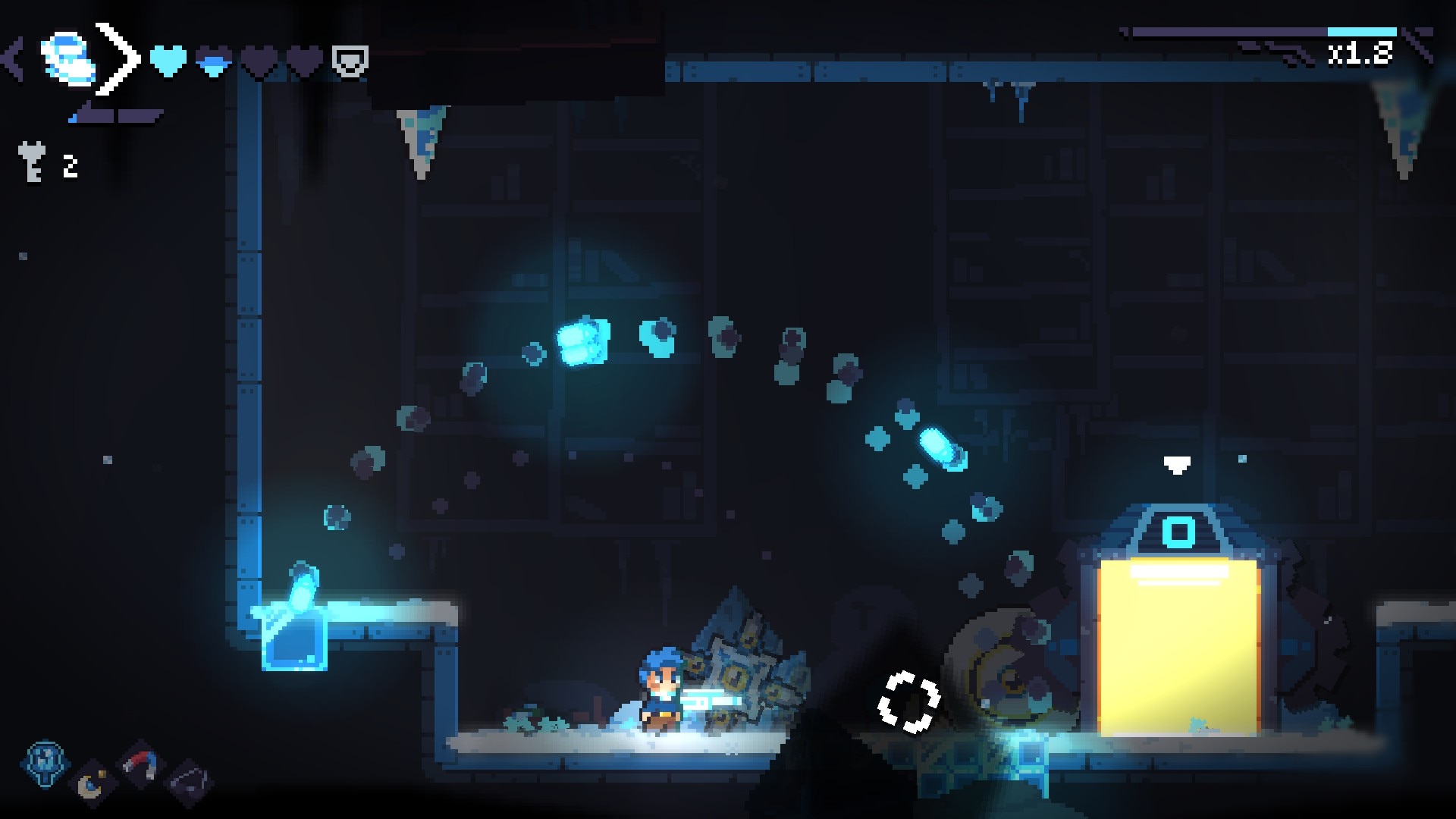
That being said, those are my only gripes with the game. The game is well-designed with many, many in-depth mechanics. Even after taking a break from it, I found it easy to get back into it, and the fact that you can change the game’s speed on the fly and make the game easier, makes Revita a great pick-up for anyone interested in playing a challenging yet rewarding Roguelike.
Again, it’s not often that you find a game that has accessibility settings like this one… And you don’t get punished or shamed for needing these settings either which is amazing.
If you want to, you can grab Revita on this month’s Humble Choice. I highly recommend it!
This post was originally written by Dan Dicere from Indiecator.
If you wanna get in touch with me, feel free to stop by for one of my Twitch streams. For business inquiries, please reach out via email.
 Indiecator
The prison keys aren’t dropped or obtained at random, they’re tied to completion of some kind of achievement, feat, in game action. The game isn’t different from Isaac or Gungeon in its method of unlocking things, and I would argue that the fact that you have to spend soul coins after unlocking something to allow its appearance in future runs is more than fair because unlike Isaac, you start the next run with the item you just unlocked (limited to two items) and get to try it out immediately rather than having to wait for the generosity of randomness to present you with the item in a future run (which in the case of Isaac could be dozens and dozens of hours later if you don’t know the item pool it belongs to to increase the chances you’ll see it naturally or force its appearance). And for the most part you’ll generally easily end up with a net positive number of coins to buy two items for the next run. Plus you additionally get to start out with whatever items and pickups you select from the tickets (for a cost of health or curses) before boarding the metro. Personally I think it’s all a very fair and balanced system.
LikeLike